Discover Warren's History
400 Years of History
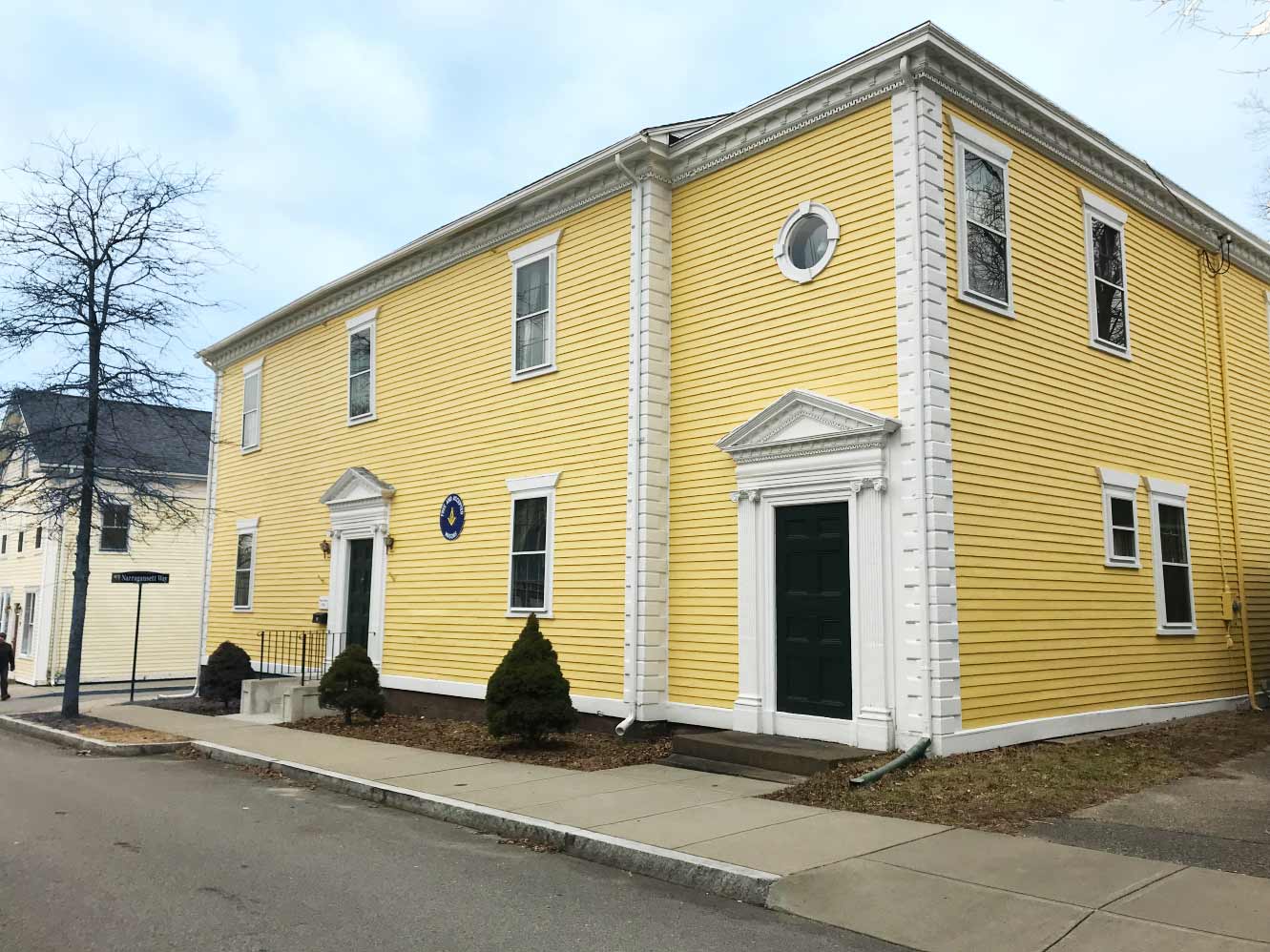
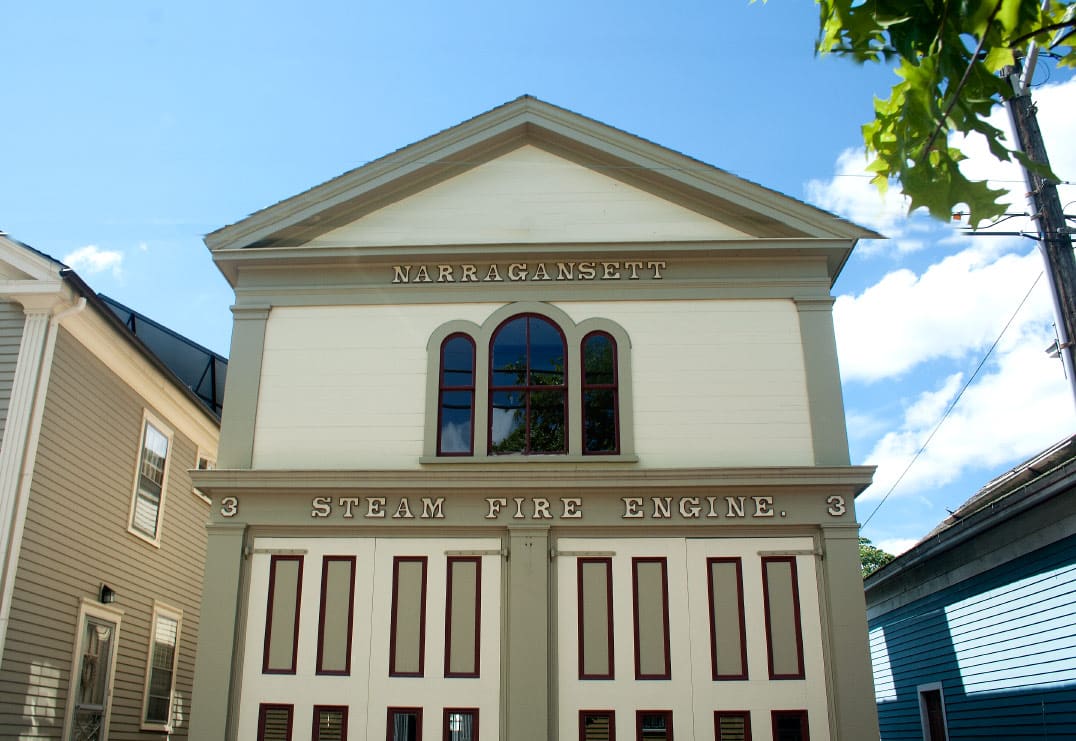
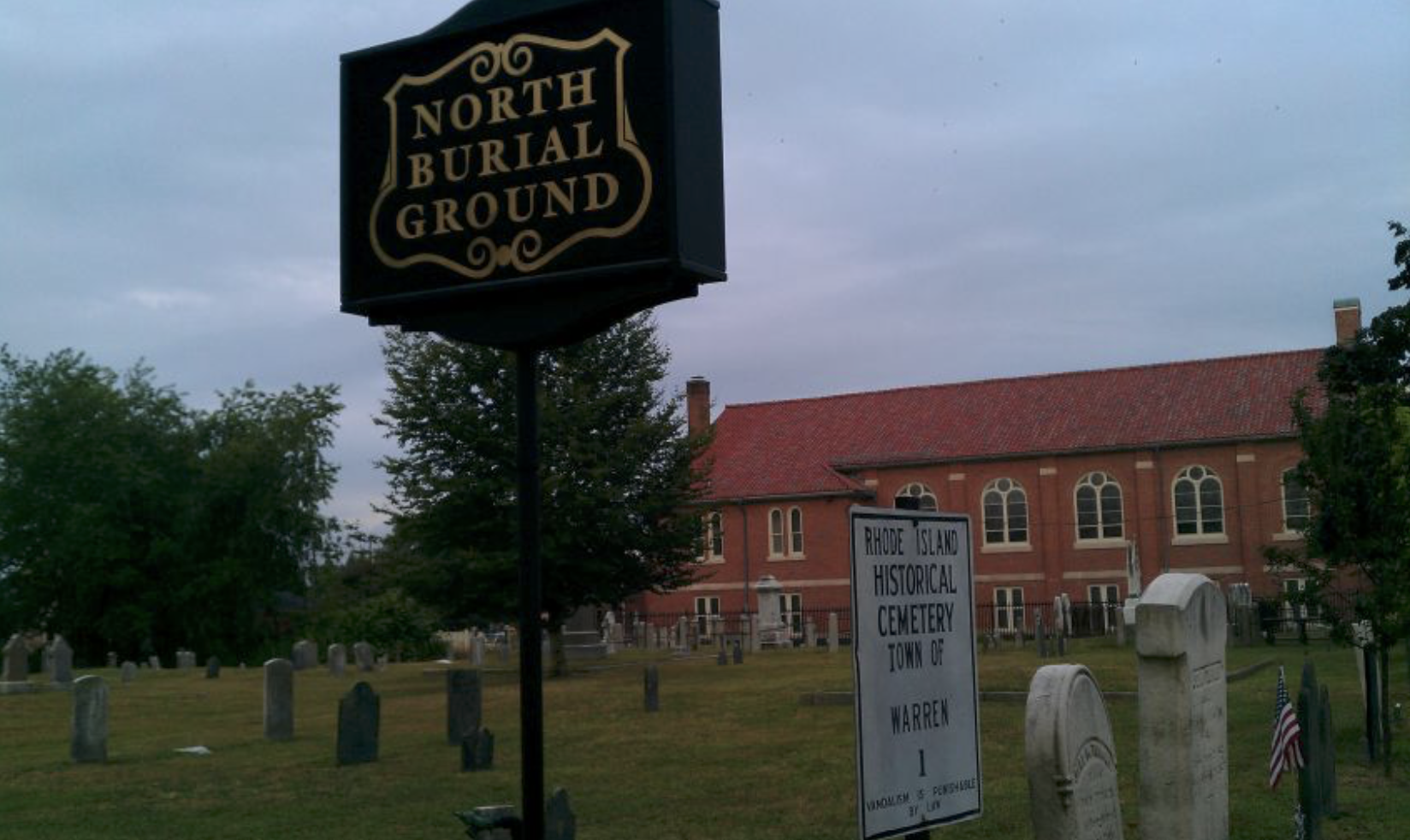
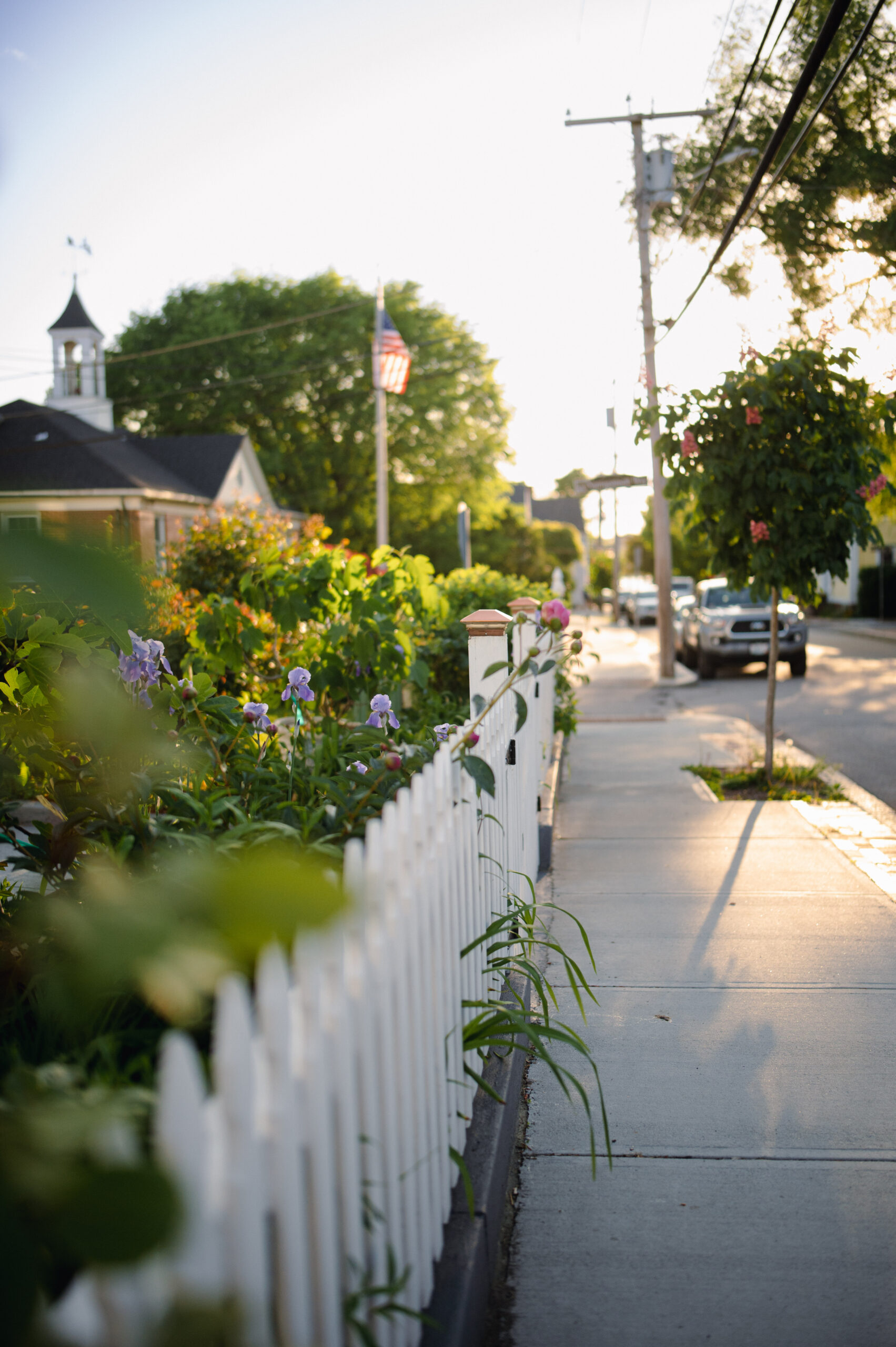
Warren, Rhode Island, is a coastal town where history and charm meet. From its roots as a Native American settlement to its days as a bustling seaport and mill town, Warren’s past has shaped the vibrant community you’ll find today. Stroll along historic streets, explore centuries-old architecture, and visit local landmarks that bring the town’s story to life.
There’s always more to discover-come experience why Warren’s history makes it a place worth visiting.
Warren's History at a Glance
Pokanoket homeland
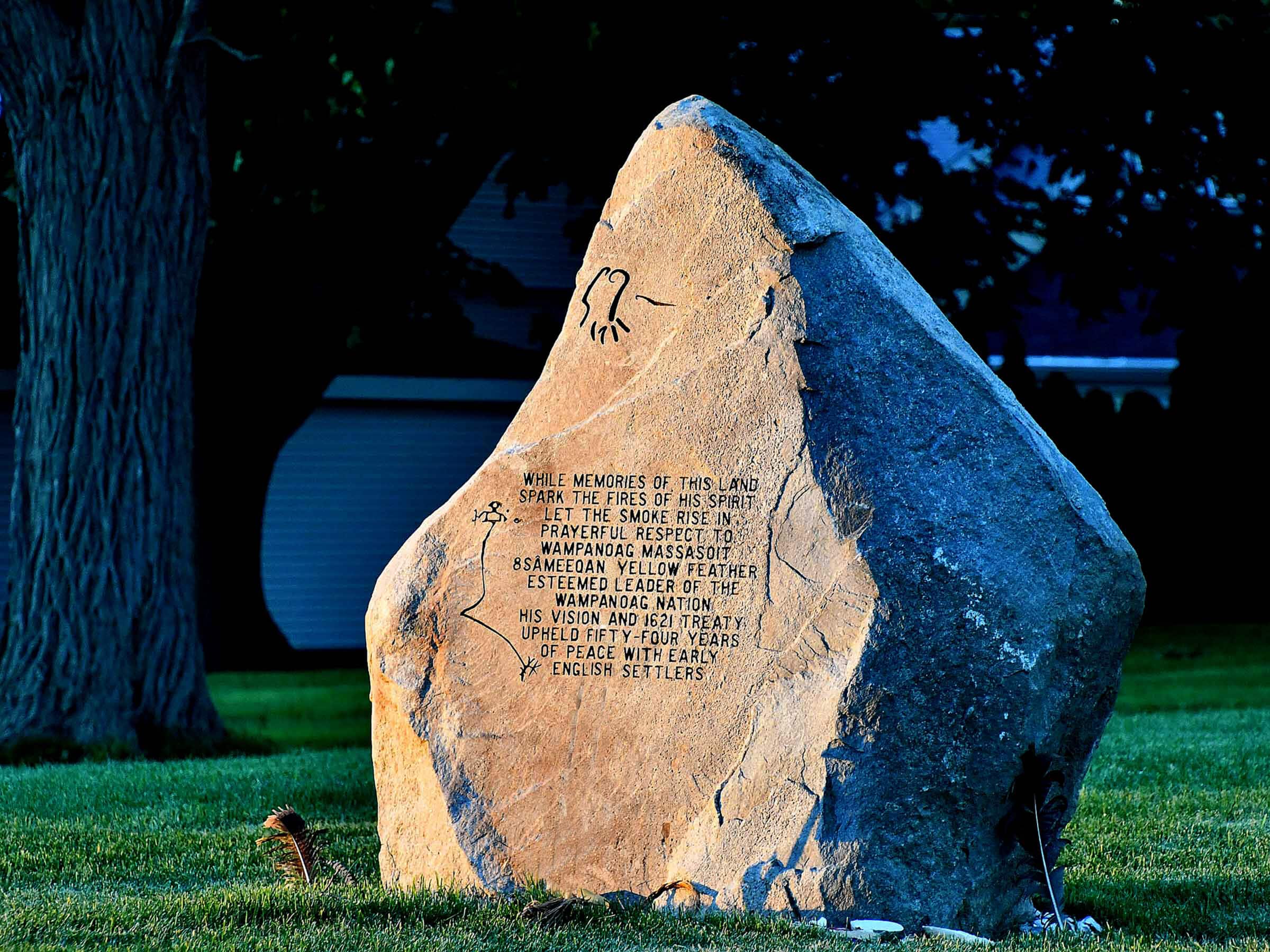
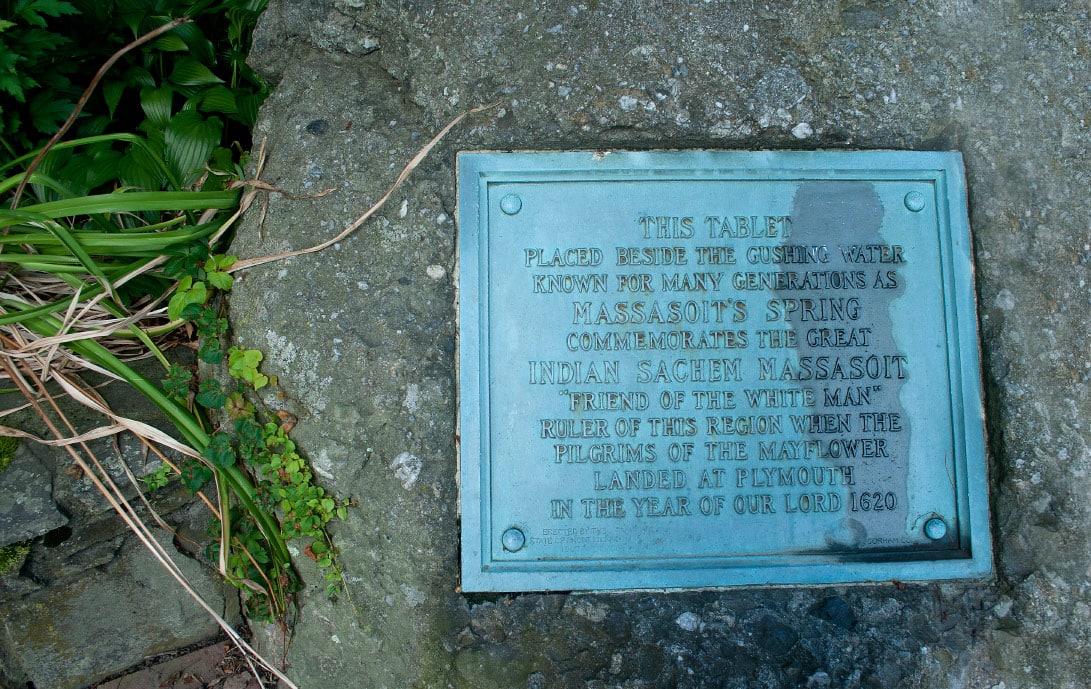
Long before European settlers arrived, the land that would become Warren was home to the Pokanoket people, part of the Wampanoag Nation. They called the region Sowams, and it was led by the great sachem Osamequin — known to the English as Massasoit.
The Pokanoket fished the Kickemuit River, cultivated the fertile coastal land, and built a thriving community along the shores of Narragansett Bay.
First contact & the Sowams Purchase
In 1621, Pilgrims from Plymouth Colony journeyed to Sowams to meet with Massasoit, forging one of the earliest diplomatic relationships between English settlers and Native peoples in the New World.
By 1653, English settlers formalized the Sowams Purchase, partitioning the land and beginning to farm it. Warren initially existed as part of Swansea, Massachusetts, before eventually being set apart as its own town.
King Philip's War begins in Warren
In 1675, one of the deadliest conflicts in early American history ignited on the east bank of the Kickemuit River — in what is today Warren. King Philip's War, named for Massasoit's son Metacom (whom the English called King Philip), was a violent struggle between Native peoples and English colonists over land and sovereignty.
The war reshaped the region permanently, and Warren's role as the flashpoint of this conflict is a significant — and sobering — part of its history.
Warren becomes its own town
In 1747, the town of Warren was officially set apart from Swansea, Massachusetts, incorporated as its own municipality, and annexed to Rhode Island. The new town sat at a natural crossroads — a tidal river, sheltered harbor, and fertile farmland — that would shape its economy for generations.
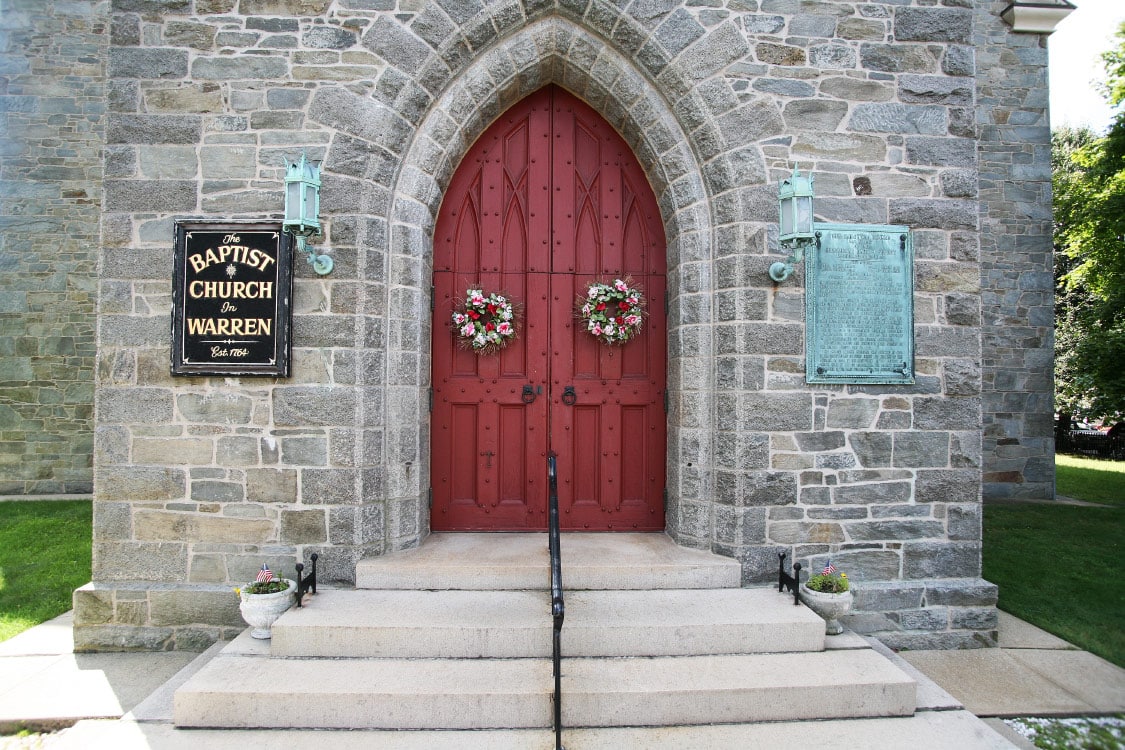
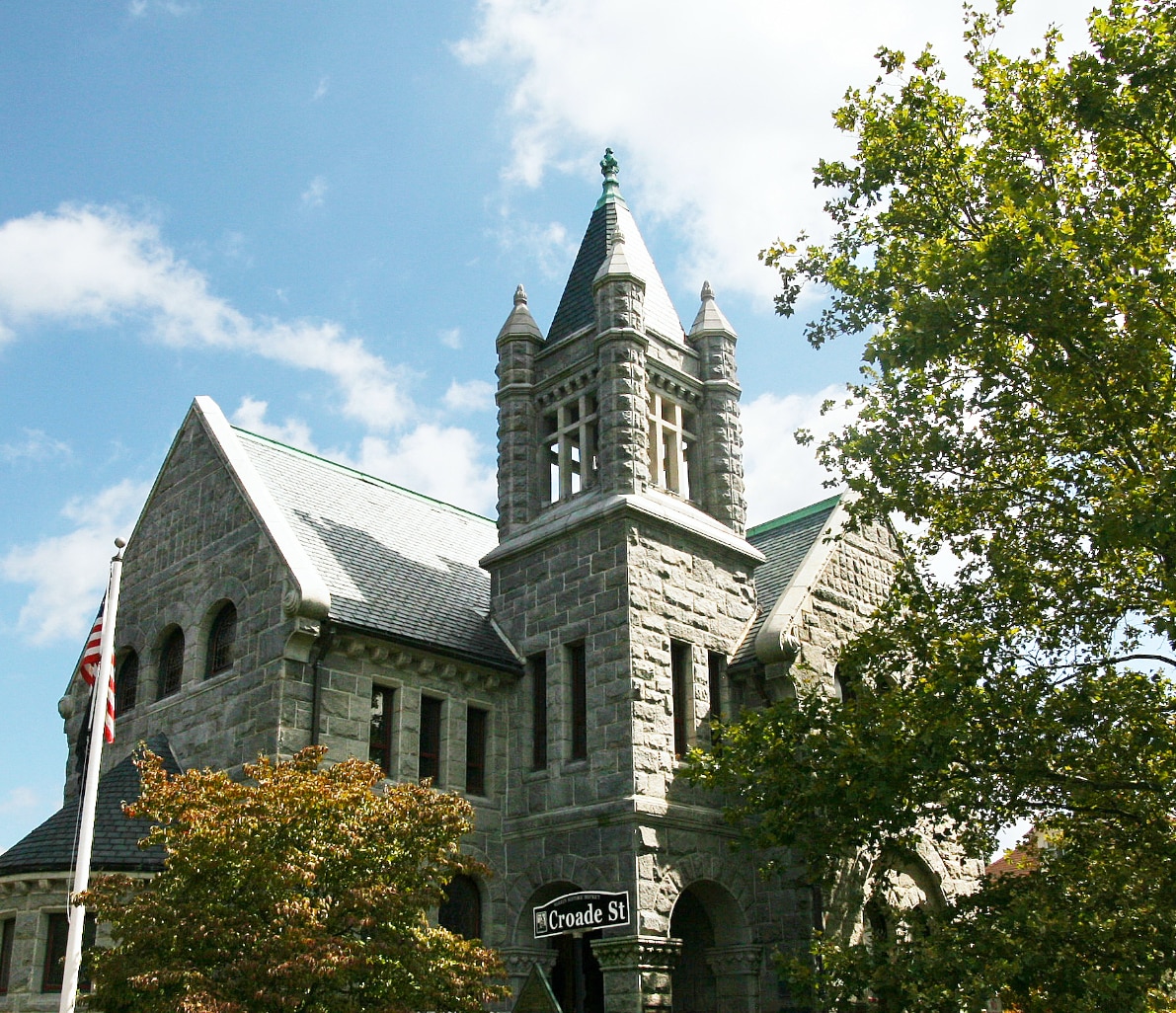
The Town Hall at 514 Main Street, the Baptist Church, and the historic churches along Church Street stand as architectural testaments to this founding era.
Seaport, shipbuilding & commerce
Through the 18th century, Warren's economy was built on the water. Shipbuilding, coastal trading, and farming dominated daily life. By 1759 the town became involved in the transatlantic slave trade, a brutal chapter that greatly enhanced the town's wealth and whose legacy still deserves honest reckoning.
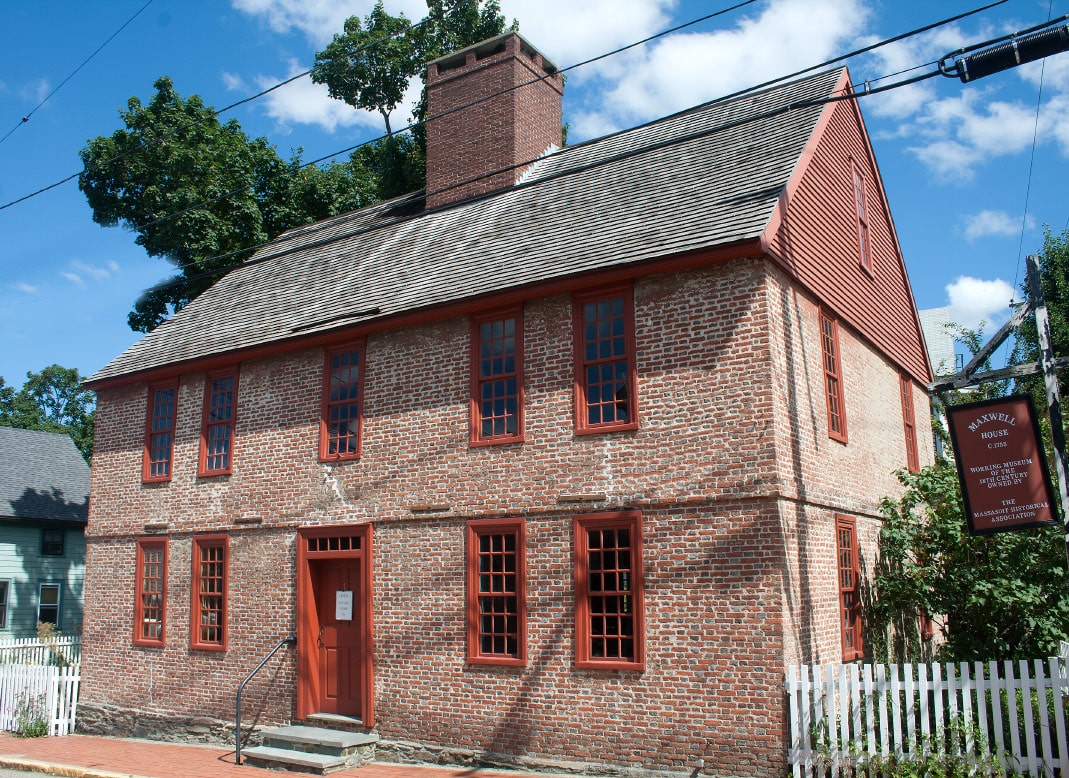
The harbor buzzed with activity, and Warren's merchants and sea captains built the fine homes and civic buildings that still define the streetscape of Main Street today.
Mills, immigrants & a growing town
In 1847 the Warren Manufacturing Company opened, drawing immigrants from England and Ireland to work in its cotton mill. Waves of newcomers followed — from Canada, Poland, Italy, and Portugal — each community leaving its mark on the town's churches, schools, and social clubs.
Six mills eventually operated in Warren. Schools, a library, pharmacies, and retail shops sprang up to serve the growing population. Small manufacturing firms produced rope, sails, and metalwork.
Seafood, art & a vibrant community
When New England's textile industry declined in the 20th century, Warren's mills closed — but the town reinvented itself. Shellfishing and seafood processing became key drivers of the local economy, and a thriving restaurant scene grew around the town's bounty from Narragansett Bay.
Today, artists and galleries have transformed Warren into a cultural destination. Music festivals, the Warren Folks Fest, Art Night Warren, and the annual Walkabout draw visitors from across the region.
Pokanoket homeland
Long before European settlers arrived, the land that would become Warren was home to the Pokanoket people, part of the Wampanoag Nation. They called the region Sowams, led by the great sachem Osamequin — known to the English as Massasoit.
The Pokanoket fished the Kickemuit River, cultivated the fertile coastal land, and built a thriving community along the shores of Narragansett Bay.
First contact & the Sowams Purchase
In 1621, Pilgrims from Plymouth Colony journeyed to Sowams to meet with Massasoit, forging one of the earliest diplomatic relationships between English settlers and Native peoples in the New World.
By 1653, English settlers formalized the Sowams Purchase, partitioning the land and beginning to farm it. Warren initially existed as part of Swansea, Massachusetts, before eventually being set apart as its own town.
King Philip's War begins in Warren
One of the deadliest conflicts in early American history ignited on the east bank of the Kickemuit River — in what is today Warren. King Philip's War was a violent struggle between Native peoples and English colonists over land and sovereignty.
The war reshaped the region permanently, and Warren's role as the flashpoint of this conflict is a significant — and sobering — part of its history.
Warren becomes its own town
In 1747, Warren was officially set apart from Swansea, Massachusetts, incorporated as its own municipality, and annexed to Rhode Island. A tidal river, sheltered harbor, and fertile farmland would shape the town's economy for generations.
The Town Hall at 514 Main Street, the Baptist Church, and historic churches along Church Street stand as architectural testaments to this founding era.
Seaport, shipbuilding & commerce
Through the 18th century, Warren's economy was built on the water. Shipbuilding, coastal trading, and farming dominated daily life. By 1759 the town became involved in the transatlantic slave trade, a brutal chapter whose legacy still deserves honest reckoning.
Warren's merchants and sea captains built the fine Federal-style homes and civic buildings that still define Main Street today.
Mills, immigrants & a growing town
In 1847 the Warren Manufacturing Company opened, drawing immigrants from England, Ireland, Canada, Poland, Italy, and Portugal. Each community left its mark on the town's churches, schools, and social clubs.
Six mills eventually operated in Warren. Schools, a library, pharmacies, and retail shops sprang up alongside small manufacturers producing rope, sails, and metalwork.
Seafood, art & a vibrant community
When New England's textile industry declined, Warren reinvented itself. Shellfishing, seafood restaurants, artists, and galleries transformed the town into a cultural destination.
Music festivals, Warren Folks Fest, Art Night Warren, and the annual Walkabout draw visitors from across the region — the town's rich, layered past visible in every historic streetscape.